A powerful speech doesn’t happen by accident -it’s crafted with intention, structure, and flow. One of the most effective ways to prepare is through storyboarding: visually mapping out your ideas, transitions, and key moments before writing your full script. But creating a storyboard can be time-consuming, especially when you’re juggling deadlines, research, and rehearsals.
That’s where artificial intelligence steps in. Using an AI presentation maker to save time, speakers can quickly outline their message, organize their thoughts, and structure their speech more efficiently. Instead of wrestling with blank slides or disorganized notes, AI helps you brainstorm, sequence ideas, and translate your concept into a clear visual plan.
AI-assisted storyboarding brings clarity and confidence to your preparation, ensuring your final speech feels polished, coherent, and compelling.
Why Storyboarding Matters for Better Speeches
Storyboarding isn’t just for filmmakers -it’s a strategic tool for public speaking. A storyboard helps you:
- Visualize the flow of your message
- Ensure ideas build logically
- Identify gaps or unnecessary sections
- Strengthen transitions
- Highlight emotional or persuasive peaks
By laying out your speech visually, you turn abstract ideas into a structured narrative your audience can easily follow.
How AI Transforms the Storyboarding Process
AI takes traditional storyboarding to a new level by analyzing your initial notes and suggesting a logical sequence. It identifies your main themes, supporting arguments, examples, and potential transitions -then arranges them in a clean visual outline.
Here’s what AI can do during storyboarding:
- Summarize long notes into clear talking points
- Suggest narrative arcs (problem → insight → solution)
- Highlight emotionally strong sections
- Propose slide or visual placements
- Reorganize ideas for better pacing
With AI’s support, you focus on message and delivery instead of layout and formatting.
Breaking Down Your Speech Into Visual Sections
An effective storyboard divides your speech into digestible segments. AI can automatically structure these segments based on intention and tone:
1. Introduction
AI suggests hooks, opening questions, or attention-grabbers.
2. Context or Problem
It identifies background information and organizes it for clarity.
3. Key Arguments or Insights
AI groups related points and sequences them for logical progression.
4. Examples or Stories
It recommends where real-world examples should be placed for emotional impact.
5. Conclusion and Call to Action
AI summarizes your message into a strong, memorable closing.
This framework ensures your speech flows like a story rather than a collection of unrelated ideas.
Enhancing Transitions and Flow
Transitions are the secret glue of any effective speech. AI helps by suggesting bridges between sections:
- “Now that we’ve seen the challenge…”
- “This leads us to…”
- “Another perspective to consider is…”
Smooth transitions make your speech feel professional and easy to follow, improving audience retention.
Visualizing Pace and Rhythm
Speeches aren’t just about content -they’re about rhythm. AI can analyze your storyboard and:
- Flag sections that are too dense
- Suggest where to slow down or add pauses
- Recommend visuals or metaphors
- Identify places to add audience engagement (questions, polls, reactions)
This rhythm-based guidance helps your speech feel balanced from start to finish.
Boosting Creativity With AI Brainstorming
AI isn’t just technical -it’s a creative partner. When you’re stuck, it can generate:
- Alternative angles
- Fresh metaphors
- Stronger examples
- New storytelling techniques
- Punchier phrasing
This collaborative approach widens your creative options without slowing your process.
Saving Time While Improving Quality
One of the greatest advantages of AI-assisted storyboarding is speed. Instead of spending hours arranging notes, creating layouts, or formatting slides, AI handles the tedious structuring tasks.
You get:
- Faster drafts
- Cleaner story flow
- Better organized ideas
- More time to rehearse
This combination of efficiency and quality is exactly what busy speakers need.
Supporting Different Speaking Styles
Every speaker has a unique style -humorous, analytical, inspirational, or conversational. AI identifies your tone and tailors the storyboard accordingly.
For example:
- Analytical speakers get structured logic and data-driven segments.
- Inspirational speakers receive narrative arcs and emotional high points.
- Educators get clear explanations and examples.
- Business presenters get key message summaries and strategic takeaways.
This personalization ensures your storyboard strengthens your natural voice.
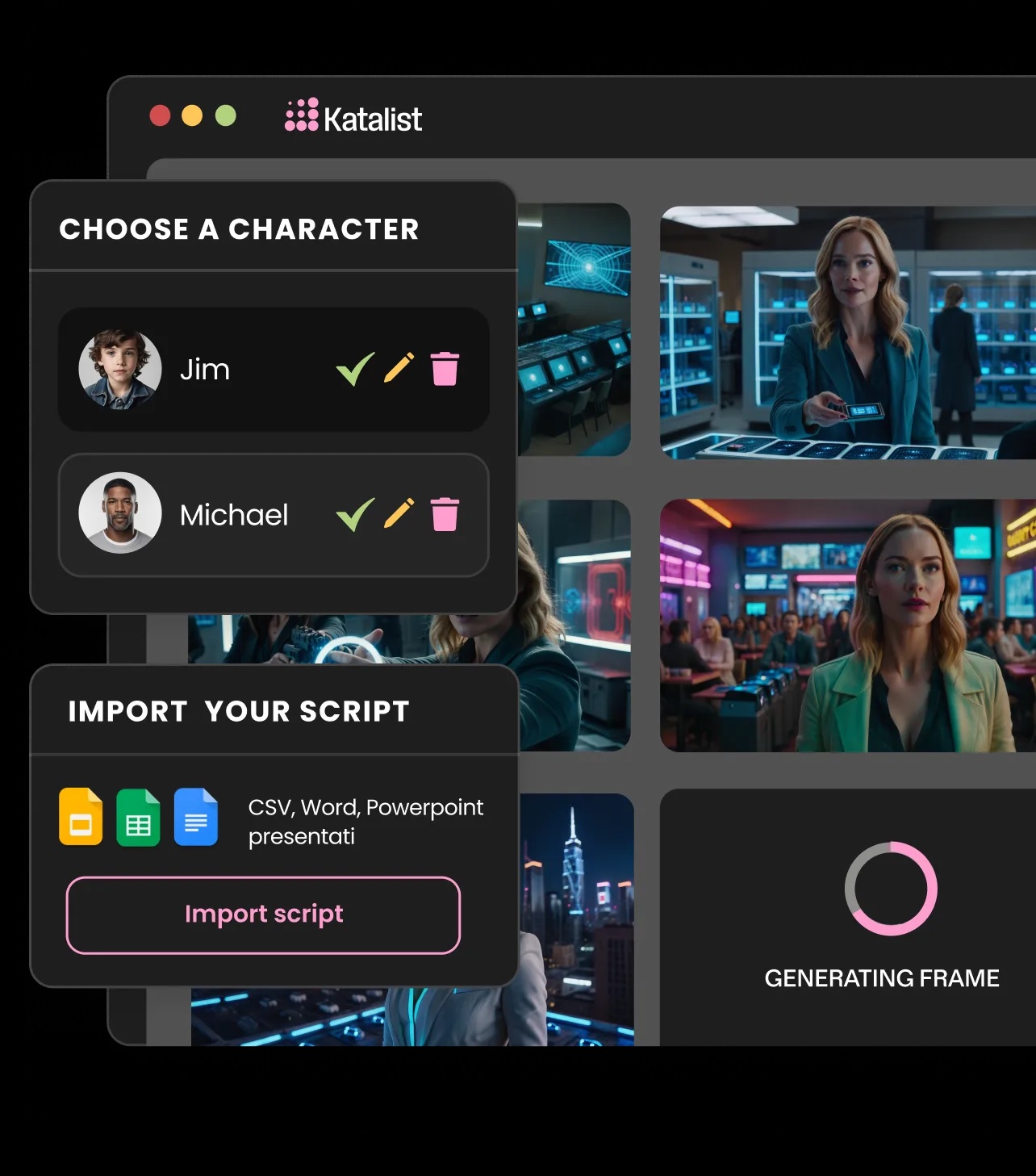
Turning the Storyboard Into a Finished Presentation
Once your structure is set, AI can transform your storyboard into a polished deck. It automatically selects layouts, formats text, and enhances visuals. You can then refine the design manually to match your personal or brand style.
This seamless workflow reduces preparation time dramatically -freeing you to practice and perfect your delivery.
The Future of AI-Assisted Speech Creation
As AI evolves, storyboarding will become even more intelligent. We can expect tools that:
- Predict audience reactions
- Track emotional flow in real time
- Suggest alternative story arcs
- Provide real-time pacing cues during your speech
- Automatically generate visuals that match your tone and message
These advancements promise an era where crafting powerful speeches becomes easier, faster, and more intuitive.
Conclusion: Smarter Storyboards, Stronger Speeches
Storyboarding is one of the most effective ways to organize a speech -but AI takes it to the next level. By helping you structure ideas, clarify flow, and visualize your message, AI enables you to communicate with more confidence and impact.
Using an AI presentation maker to save time, you can craft professional storyboards that support clear messaging, persuasive storytelling, and memorable delivery.
When your speech is built on a well-designed structure, your audience doesn’t just hear your message -they feel it.